Build a Small Concession Trailer – Design, Setup & Tips
If you’ve ever dreamed of owning your own mobile food business but aren’t ready to invest in a full-sized food truck, a small concession trailer is a perfect place to start. It’s compact, affordable, and versatile — allowing you to serve delicious food anywhere, from local festivals to busy city streets. Whether you’re selling coffee, tacos, desserts, or BBQ, building your own concession trailer can give you freedom and flexibility while keeping startup costs manageable.
This comprehensive guide will walk you through the key steps to building a small concession trailer — from planning and design to permits, construction, and setup — so you can hit the road with confidence.
1. Start with a Clear Plan
Before you buy or build anything, you need a solid plan. Think of your concession trailer as a miniature restaurant on wheels — it needs to be functional, compliant, and efficient.
Start by defining your concept.
-
What kind of food or beverages will you sell?
-
Will you need cooking equipment like a grill or fryer, or just a prep area and refrigeration?
-
How many people will work inside the trailer?
Answering these questions helps you determine the trailer’s ideal size, layout, and equipment needs. If you’re new to the industry, it can help to visit other food trailers or talk to local food entrepreneurs to understand what works in real-world conditions.
2. Choose the Right Trailer Base
The foundation of your business is, quite literally, your trailer. You can either buy a new trailer shell or repurpose an existing one.
When choosing a base trailer:
-
Look for a sturdy frame made from steel or aluminum.
-
Make sure the trailer is rated to carry the total weight of your equipment and supplies.
-
Check for proper insulation, waterproofing, and corrosion resistance.
-
Confirm that it meets local Department of Transportation (DOT) standards for road use.
A small concession trailer typically ranges from 6×8 to 8×12 feet — big enough for a compact kitchen but still easy to tow and maneuver. Choosing the right size depends on your menu and setup.
3. Design the Interior Layout
Your layout determines how efficiently you’ll work during busy hours. Since space is limited, every inch must count.
Key layout considerations:
-
Work Flow: Arrange your cooking, prep, and serving areas to minimize movement.
-
Appliance Placement: Position equipment logically — for example, prep surfaces next to refrigeration, and cooking appliances near ventilation systems.
-
Storage: Include shelving, cabinets, and under-counter storage to keep ingredients and utensils organized.
-
Safety and Accessibility: Ensure there’s enough clearance to move safely, especially when working with hot or sharp tools.
It’s a good idea to sketch your floor plan or use design software to visualize your setup before construction begins. Some builders also offer 3D renderings to help you finalize the design.
4. Install Electrical and Plumbing Systems
Once your trailer structure and layout are set, the next step is installing electrical and plumbing systems — both essential for smooth operation.
Electrical setup
-
You’ll need wiring for lighting, outlets, and kitchen appliances.
-
Plan for a generator or external power source that can handle your total electrical load.
-
Include enough outlets for future upgrades or additional equipment.
-
Hire a licensed electrician familiar with mobile food units to ensure safety and compliance.
Plumbing setup
-
Most health departments require a minimum of three sinks (for washing, rinsing, and sanitizing) plus a separate handwashing sink.
-
Include both fresh water and wastewater tanks, and ensure they’re properly vented.
-
Use durable, food-safe materials for all plumbing components.
Proper electrical and plumbing systems are crucial not only for functionality but also for meeting local health codes.
5. Choose and Install Equipment
Your equipment choices should align with your menu and available space. A small concession trailer can be surprisingly versatile with the right setup.
Common equipment includes:
-
Grills, griddles, fryers, or ovens
-
Refrigerators and freezers
-
Food prep tables and cutting surfaces
-
Coffee machines or beverage dispensers
-
Exhaust hood and fire suppression system
-
Storage shelves and bins
Because space is tight, look for compact, multi-purpose appliances. Stainless steel equipment is highly recommended for durability and easy cleaning. When installing, make sure all appliances are securely mounted to prevent shifting while driving.
6. Add Finishing Touches and Branding
Once the major systems are in place, it’s time to add the finishing touches that make your trailer stand out. This includes flooring, wall panels, lighting, and exterior graphics.
-
Flooring: Use non-slip, waterproof flooring for safety and easy maintenance.
-
Walls: Stainless steel or aluminum walls are hygienic and easy to clean.
-
Lighting: Install bright, energy-efficient LED lighting inside.
-
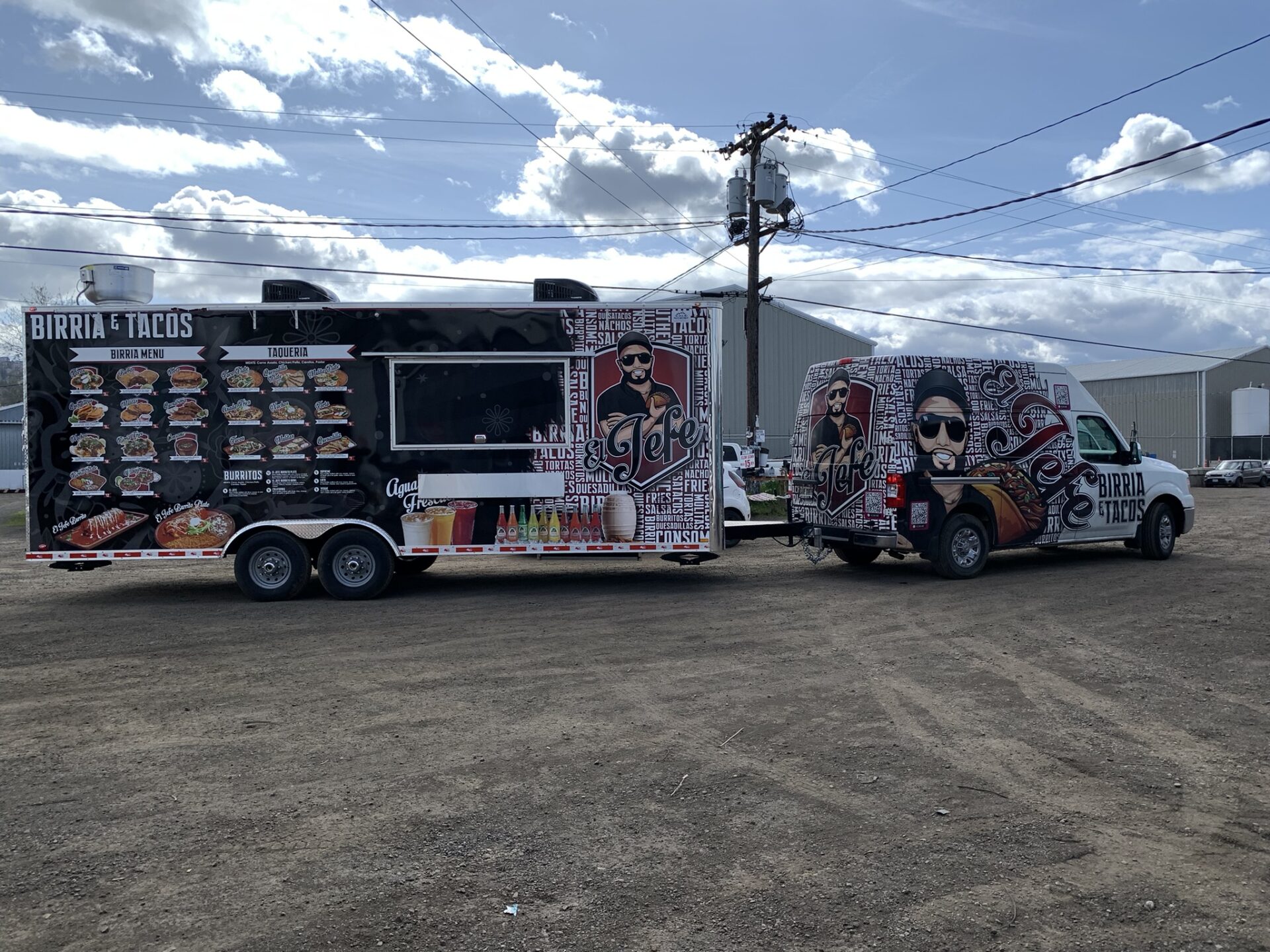
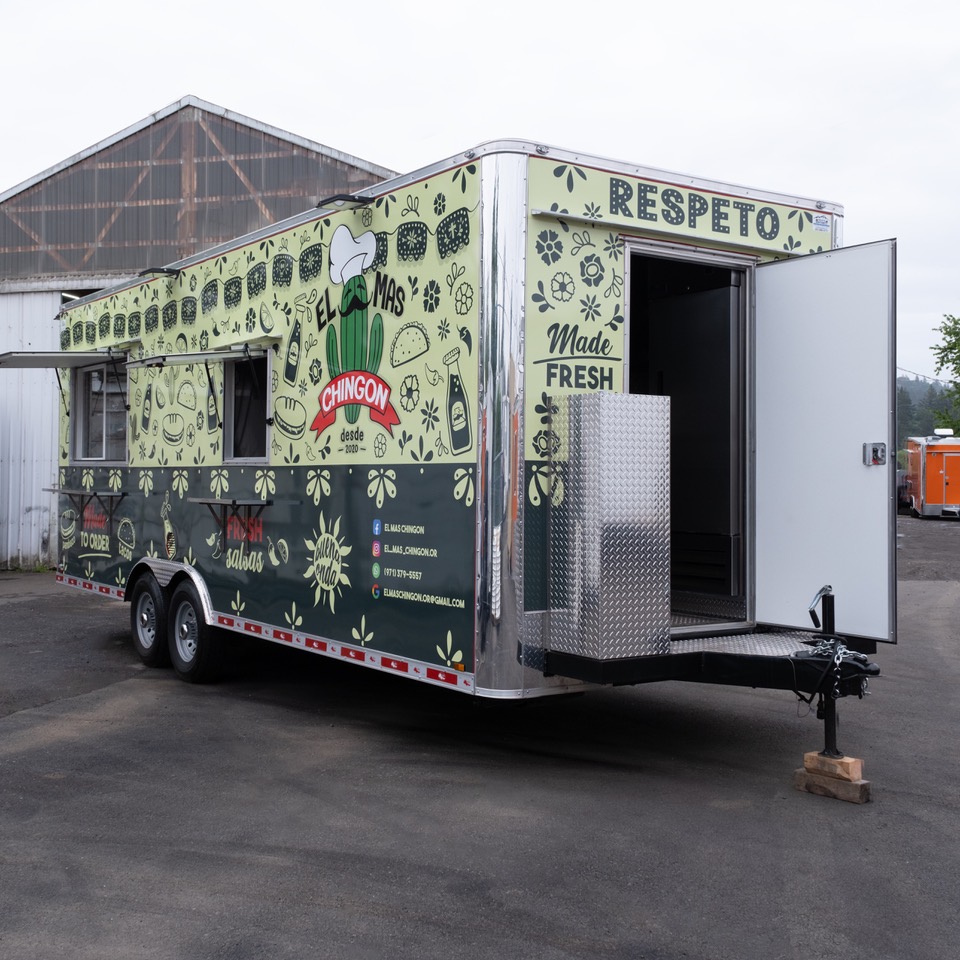
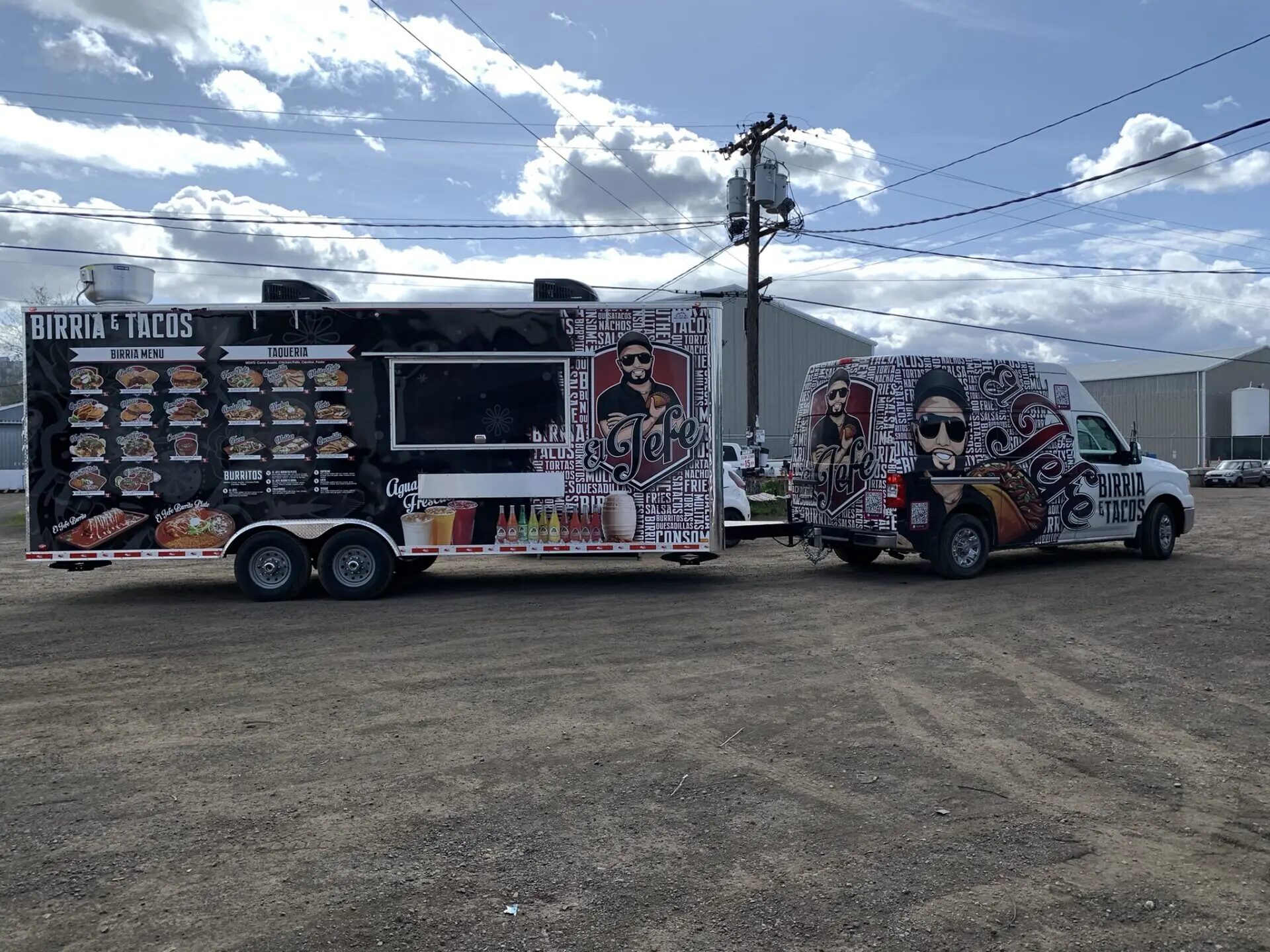
Exterior Design: This is your mobile billboard — create eye-catching graphics that clearly display your brand name, logo, and menu highlights.
Your concession trailer’s look and feel should reflect your brand personality. Whether you go for a rustic, tropical, or modern theme, consistent branding helps attract attention and build customer loyalty.
7. Meet Health and Safety Requirements
Before you can start selling, your trailer must meet all local health and safety regulations. This usually involves an inspection from your local health department.
Requirements often include:
-
Proper food storage temperatures
-
Adequate sanitation systems
-
Fire extinguishers and ventilation
-
Non-toxic materials on surfaces and finishes
-
Proof of commissary kitchen access (for cleaning and storage)
Keep detailed records of your equipment specs, water capacity, and electrical setup — inspectors often ask for these. Staying compliant not only keeps your customers safe but also protects your business from fines or closures.
8. Test Everything Before Launch
Before hitting the road, test all systems — power, plumbing, appliances, and ventilation — to ensure they’re working smoothly. Run a full-day simulation to check workflow, temperature control, and storage. This helps identify any issues early on.
Also, practice towing and parking your trailer. A small concession trailer is easier to maneuver than larger models, but you’ll still want to be comfortable navigating tight spaces and securing your trailer at events.
9. Market Your New Concession Trailer
Once your trailer is ready, it’s time to spread the word! Social media is one of the best ways to promote your new business. Share behind-the-scenes photos, construction updates, and menu previews. Create profiles on Instagram, Facebook, and Google Business to help customers find you.
Attend local fairs, farmers’ markets, and events to build visibility. Offer samples or discounts during your first few weeks to attract attention and collect feedback. A strong brand identity and consistent presence will help your small business grow fast.
10. Keep Improving and Expanding
Your first version doesn’t have to be perfect. One of the great things about owning a concession trailer is flexibility — you can update your equipment, tweak your menu, and adapt your layout over time. Listen to customer feedback, analyze sales trends, and refine your offerings.
As your business grows, you might decide to expand to a larger trailer or even a food truck. The key is to start small, stay consistent, and deliver great food and service wherever you go.
About PNW
PNW Food Trailers specializes in designing and building high-quality custom food trailers, including compact and efficient small concession trailer setups for entrepreneurs. Their team focuses on craftsmanship, durability, and compliance with health and safety standards. Whether you’re starting from scratch or upgrading your current setup, PNW offers tailored solutions to help you succeed in the mobile food industry.
From concept design to final build, PNW Food Trailers provides expert guidance, premium materials, and island-ready builds that stand the test of time. Visit PNW Food Trailers to learn more about how they can help you build the perfect small concession trailer for your business.