
Starting a food truck business in Hawaii is an exciting way to share your culinary passion while embracing the island lifestyle. With its year-round warm weather, vibrant outdoor culture, and food-loving locals and tourists, Hawaii—especially Oahu—offers the perfect setting for mobile eateries. But before you fire up the grill, there’s plenty to plan. From licenses and logistics to menu design and marketing, here’s a step-by-step guide to help you start your own successful food truck business in Hawaii.
Beginner’s Guide to Starting a Food Truck in Hawaii
1. Define Your Concept and Audience
The first step to success is having a clear concept. Hawaii’s diverse population and steady flow of tourists mean there’s room for creativity—whether it’s traditional Hawaiian dishes, fusion cuisine, seafood, or global street food. Decide what kind of experience you want to offer.
Ask yourself:
-
What kind of food do you love to cook?
-
Who is your target audience—locals, tourists, or both?
-
How can you make your menu stand out among other hawaii food trucks oahu?
Spend some time researching the local food scene. Popular food trucks on Oahu often succeed because they have a signature dish or a unique brand story that sets them apart. Your concept should reflect your culinary style while aligning with local tastes.
2. Create a Solid Business Plan
A business plan is essential—it guides your decisions and helps you secure funding if needed. Your plan should include:
-
Concept & Mission – What your brand stands for and the story behind it.
-
Market Research – Who your competitors are, what’s trending, and where the best locations are.
-
Menu & Pricing – Develop a focused menu that’s easy to execute in a compact space.
-
Operations Plan – How you’ll source ingredients, manage staff, and maintain equipment.
-
Marketing Strategy – How you’ll build awareness through social media, events, and partnerships.
-
Financial Projections – Estimate startup costs, operating expenses, and revenue goals.
A well-thought-out plan will not only guide your daily operations but also help you anticipate challenges before they arise.
3. Understand Permits and Legal Requirements
Running a food truck in Hawaii requires several permits and licenses. Each island has its own rules, so make sure to check with your county offices. Generally, you’ll need:
-
Business Registration – Register your business with the State of Hawaii and get a tax ID.
-
Health Permits – The Department of Health regulates all food service operations. Your truck must meet sanitation and food safety standards.
-
Vehicle Registration – Your food truck or trailer must be registered, insured, and inspected for road safety.
-
Commissary Agreement – In Hawaii, most food trucks must operate in conjunction with a licensed commissary kitchen for cleaning and storage.
-
Parking and Zoning Approvals – Ensure that the spots you plan to operate in are legally approved for mobile food vendors.
Getting the paperwork right can take time, so it’s smart to start this process early. It’s one of the biggest factors that determines how quickly you can open your doors—or rather, your serving window.
4. Find or Build the Right Food Truck
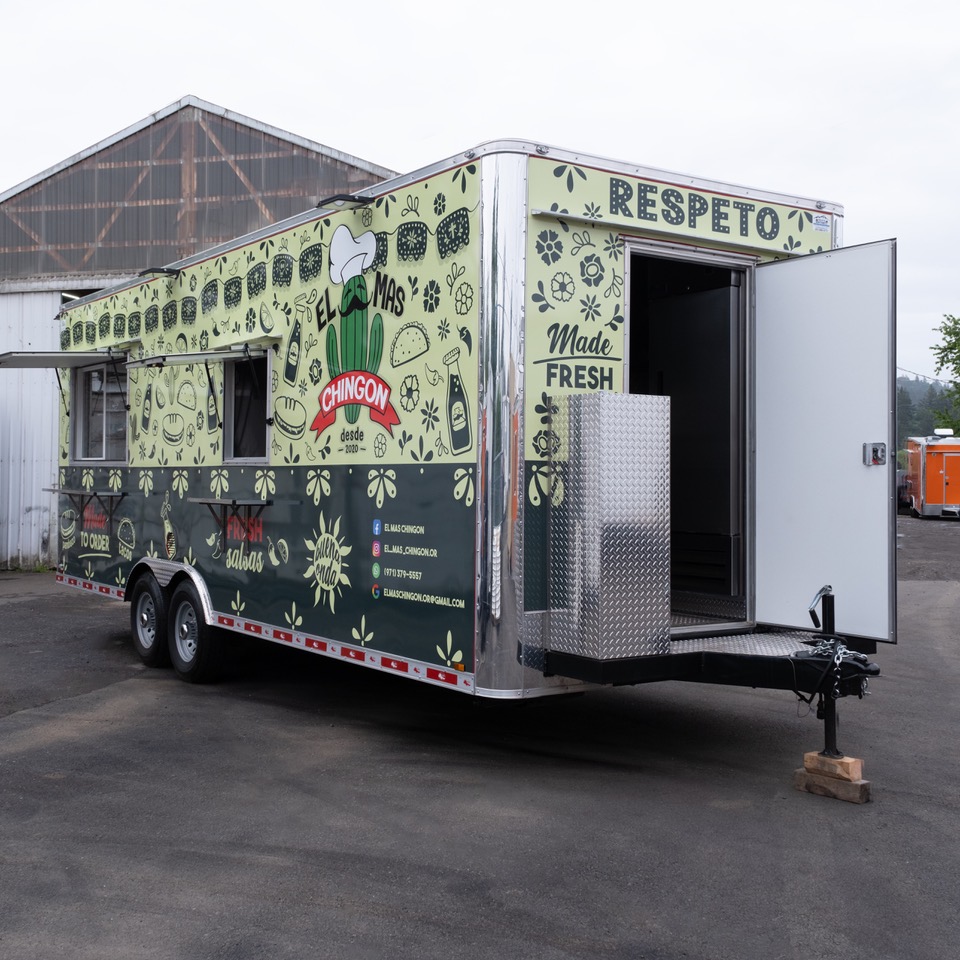
Your truck is your business, so investing in the right build is crucial. It needs to be functional, efficient, and compliant with Hawaii’s regulations. Look for a layout that supports your cooking style—whether it’s a grill setup, a fryer line, or a cold prep station.
Since Hawaii’s environment can be humid and salty, durable materials and corrosion-resistant equipment are key. Many entrepreneurs partner with trusted builders who specialize in designing food trucks tailored for island conditions.
If you’re joining the hawaii food trucks oahu scene, you’ll want a truck that can handle frequent travel, outdoor heat, and high customer volumes during peak times. Choose equipment that’s energy-efficient and easy to maintain to keep costs manageable in the long run.
5. Develop a Smart Location Strategy
Location can make or break a food truck business. On Oahu, popular areas include beach parks, tourist districts, business hubs, and event venues. Start by scouting high-traffic areas where food trucks are allowed. Keep in mind:
-
Tourist Areas offer steady business but may have higher competition or permit restrictions.
-
Local Neighborhoods are great for repeat customers and weekday lunch crowds.
-
Events and Markets such as festivals and farmers’ markets can generate big spikes in sales.
One of the best things about hawaii food trucks oahu is the flexibility—you can move around based on the season, time of day, or customer demand. Some trucks even build loyal followings by announcing their daily locations on social media.
6. Design a Menu That Works
A great menu is the heart of your business. Focus on dishes that are easy to prepare, hold well, and can be served quickly. Keep it simple—five to eight main items are usually ideal. Highlight local ingredients like fresh seafood, tropical fruits, and locally grown vegetables whenever possible.
When pricing, factor in Hawaii’s higher ingredient and shipping costs. Offering combo meals, daily specials, or seasonal items can help keep customers excited while managing expenses. Above all, make sure every dish delivers on taste and consistency.
Visual presentation also matters. Bright colors, appetizing plating, and eco-friendly packaging that aligns with the island vibe can make your food stand out.
7. Build Your Brand and Market Smartly
Your brand is more than your logo—it’s the experience you create. Choose a memorable name and design that reflects your cuisine and Hawaiian roots. Then, promote your business where people already spend their time—online.
Social media is the lifeblood of the food truck industry. Regularly post photos of your dishes, daily locations, and behind-the-scenes stories. Use local hashtags and engage with your customers through comments and reviews. Encourage visitors to share photos and tag your page—it’s free word-of-mouth marketing that builds trust and excitement.
Offline, you can hand out flyers, partner with local events, or collaborate with nearby businesses. Participating in food truck festivals or catering private events can also expand your reach quickly.
8. Manage Operations and Finances
Behind the fun of running a food truck lies the serious work of managing finances and operations. Create systems to track sales, expenses, and inventory daily. Keep detailed records for taxes and health inspections.
Operational efficiency is key—plan your prep schedule, manage supply deliveries, and maintain equipment regularly. Given the higher costs of doing business in Hawaii, controlling waste and monitoring profit margins will help keep your business sustainable.
Set aside funds for maintenance, insurance, and unexpected repairs. The goal is to build stability so you can focus on growth.
9. Embrace the Island Community
Hawaii’s food culture is built on aloha—sharing, respect, and connection. The most successful food trucks on Oahu are those that embrace the local community. Support local farmers, collaborate with nearby businesses, and show appreciation to your loyal customers.
Engage with your audience authentically. Be friendly, responsive, and grateful. In Hawaii, relationships are everything. When your customers feel your aloha, they’ll keep coming back.
10. Start Small, Then Grow
When your truck is ready, plan a soft launch before your grand opening. Invite friends, family, and local influencers to test your menu and provide feedback. This helps you fine-tune operations before going public.
Once you’ve built momentum, consider expanding—adding more trucks, catering services, or even a brick-and-mortar restaurant down the road. With consistent quality and a strong reputation, your food truck can become a beloved part of the hawaii food trucks oahu community.
About PNW
PNW Food Trailers specializes in building high-quality, custom food trucks and trailers that meet Hawaii’s unique needs. From durable materials designed for island weather to layouts optimized for efficiency, PNW helps aspiring entrepreneurs turn their dream of owning a food truck into reality.
Whether you’re launching your first venture or upgrading your setup, PNW Food Trailers provides expert guidance, craftsmanship, and support every step of the way. To learn more about how they can help you start your food truck business in Hawaii, visit PNW Food Trailers .