A small concession trailer can be a game-changer for entrepreneurs looking to enter the mobile food industry. These compact, versatile units allow business owners to serve food at fairs, festivals, farmers markets, and other high-traffic locations without the overhead of a full-scale restaurant. But designing and building a small concession trailer that is both functional and appealing requires careful planning, the right materials, and expert guidance.
If you’re considering creating a small concession trailer, this guide will walk you through everything from initial planning to the advantages of working with professional trailer builders.
Why a Small Concession Trailer is a Smart Investment
Investing in a small concession trailer offers numerous benefits:
-
Lower Startup Costs: Compared to a traditional brick-and-mortar restaurant, a small trailer requires significantly less capital.
-
Mobility: You can move your trailer to different locations depending on demand, increasing your exposure and potential revenue.
-
Flexibility: Trailers can be used for different types of cuisine and events, allowing you to test new menus or expand your business gradually.
-
Efficiency: A well-designed trailer optimizes space and workflow, making it easier for staff to prepare and serve food.
A compact, efficiently built trailer provides a professional image while keeping costs manageable, making it an ideal starting point for new food entrepreneurs.
Planning Your Small Concession Trailer
Before you start building, planning is essential. Consider the following steps:
1. Define Your Menu
Your menu will dictate the layout, equipment, and trailer size. For example, serving hot dogs and beverages requires less equipment than a full-service kitchen with fryers, ovens, and refrigeration. A focused menu helps maximize space in a small concession trailer while maintaining quality and efficiency.
2. Determine Trailer Size and Layout
While you’re aiming for a small footprint, you still need enough space for cooking, prep, and storage. Typical small concession trailers range from 8 to 16 feet in length. Include areas for:
-
Cooking equipment
-
Food prep and storage
-
Service window
-
Refrigeration and sinks (to meet health codes)
3. Choose Materials
Durable, easy-to-clean materials like stainless steel for countertops, non-slip flooring, and insulated walls are essential. These choices improve longevity and comply with health and safety regulations.
4. Plan Utilities
A small concession trailer requires power, water, and waste management systems. Decide whether you’ll use propane, electricity, or a combination for cooking, and ensure there’s proper plumbing for sinks and waste disposal.
Key Features of a Small Concession Trailer
When designing a small concession trailer, certain features can enhance functionality and customer experience:
-
Ventilation and Safety: Proper exhaust hoods and fire suppression systems are critical for safety.
-
Efficient Workflow: Arrange equipment logically to minimize movement and improve service speed.
-
Service Window Placement: Position windows to optimize customer interaction and visibility.
-
Storage Solutions: Include cabinets, shelving, and refrigeration for ingredients and supplies.
-
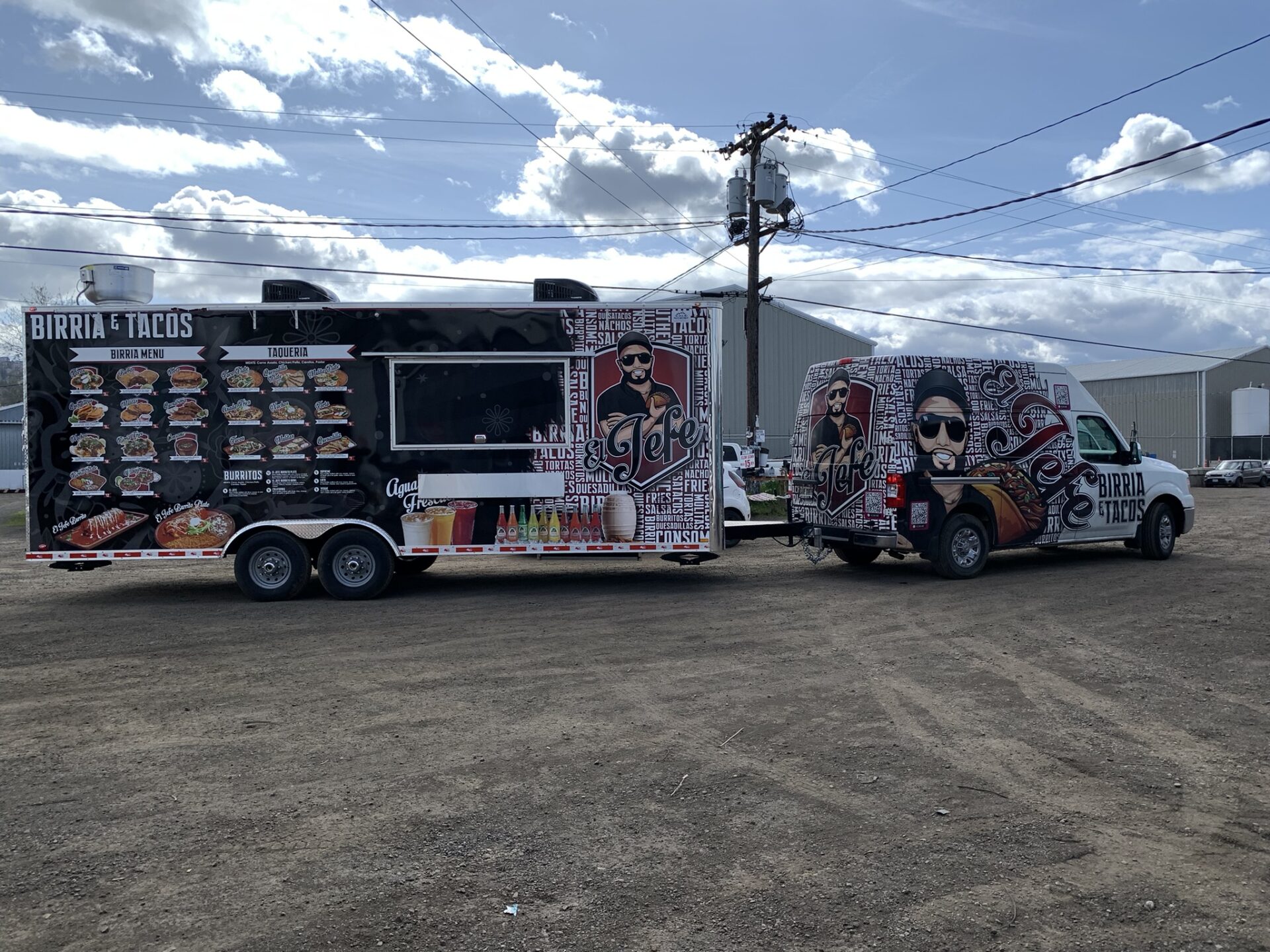
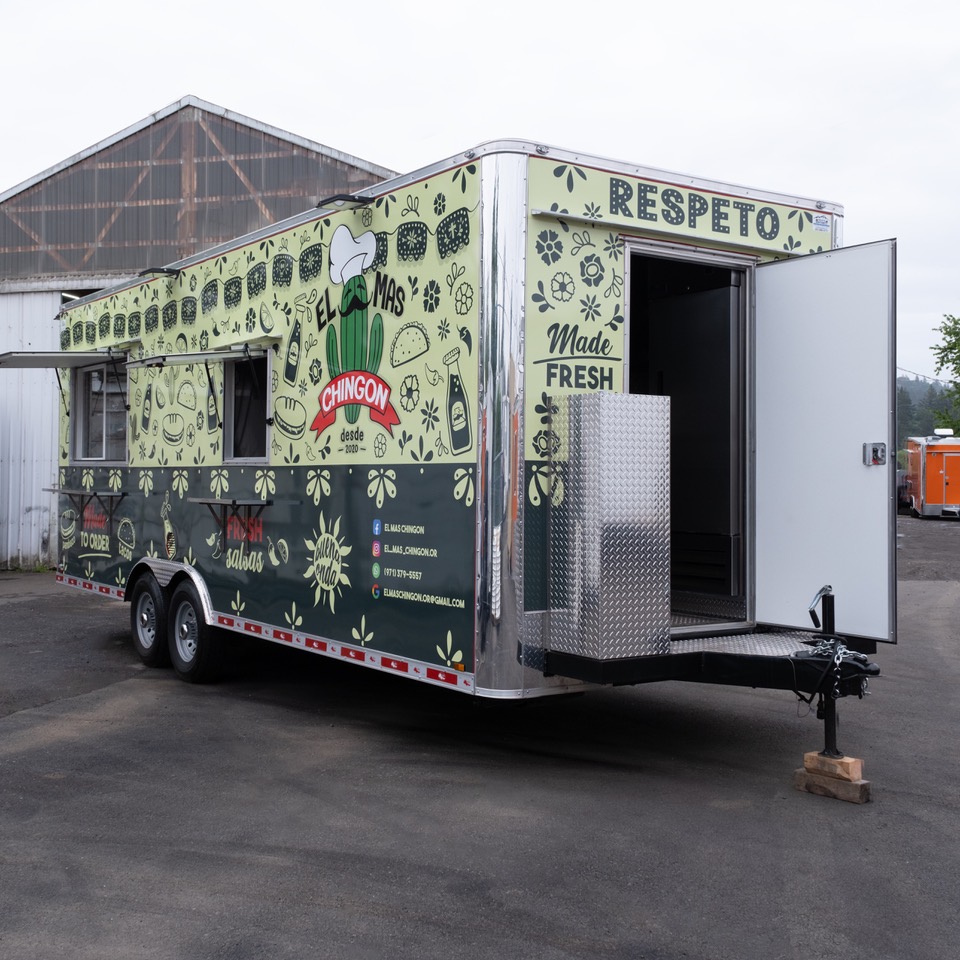
Exterior Design: An attractive, branded exterior draws customers and reinforces your business identity.
Including these features ensures that even a compact trailer can operate efficiently and safely while projecting a professional image.
Benefits of Working with Professional Concession Trailer Builders
While it’s possible to build a small concession trailer yourself, partnering with professional builders has many advantages:
-
Expertise in Design and Layout: Professionals know how to maximize space, workflow, and efficiency.
-
Compliance with Regulations: Builders ensure your trailer meets local health and safety codes, avoiding costly mistakes.
-
Durability and Quality: Experienced builders use high-quality materials that withstand frequent use and transport.
-
Customization: From branding to equipment placement, your trailer can be tailored to your business needs.
-
Time Savings: Professionals complete projects faster, allowing you to start serving customers sooner.
-
Support and Maintenance: Many builders offer ongoing support and guidance for upkeep and upgrades.
Working with experts is especially important if you plan to use your trailer for high-volume events or multiple locations.
Tips for Success with a Small Concession Trailer
-
Keep It Simple: Focus on a menu and layout that fit the compact space. Overcrowding reduces efficiency and safety.
-
Invest in Branding: A visually appealing trailer attracts customers and builds recognition.
-
Plan for Seasonal Changes: Consider insulation, heaters, or fans to operate comfortably year-round.
-
Maintain Your Trailer: Regular cleaning and equipment checks extend the life of your trailer.
-
Stay Mobile: Explore locations strategically to maximize foot traffic and sales.
These practices help ensure your small concession trailer operates smoothly and attracts a steady customer base.
Popular Uses for Small Concession Trailers
Small concession trailers are versatile and can serve a variety of purposes:
-
Food trucks for festivals, fairs, and events
-
Coffee or beverage stands
-
Ice cream and dessert trailers
-
Mobile catering for private parties or corporate events
-
Seasonal or popup food businesses
The flexibility of a small concession trailer allows entrepreneurs to adapt to changing markets and expand their business gradually.
Conclusion & Brand Awareness
Creating a small concession trailer is a smart way to enter the mobile food industry without the overhead of a traditional restaurant. A properly designed trailer maximizes space, improves efficiency, and attracts customers, while professional construction ensures durability, compliance, and functionality.
At PNW Food Trailers, we specialize in building high-quality small concession trailers tailored to your business needs. From compact layouts to fully customized designs, our team ensures your trailer is safe, efficient, and visually appealing. Contact us today to discuss your project and take the first step toward launching your mobile food business with confidence.