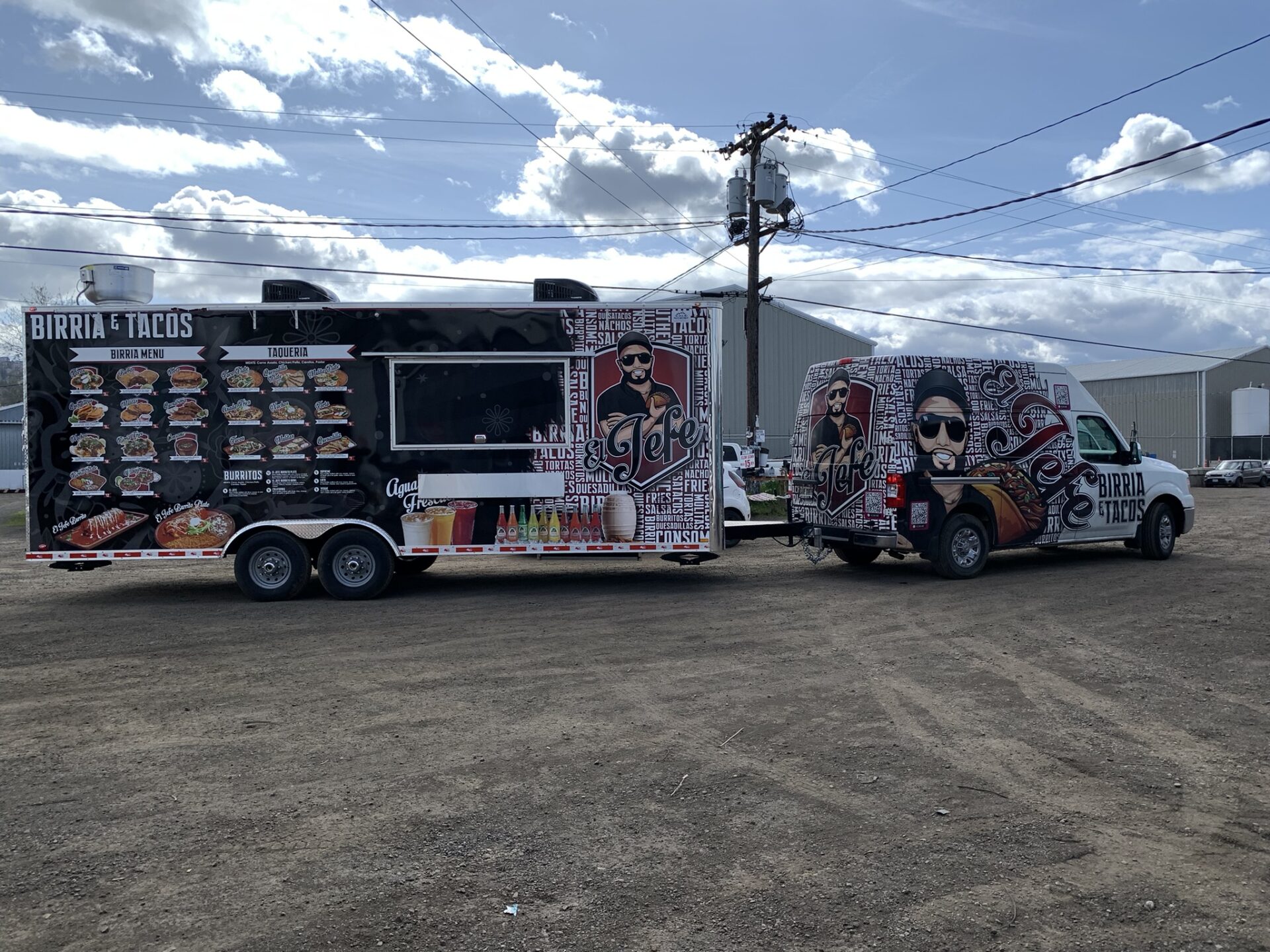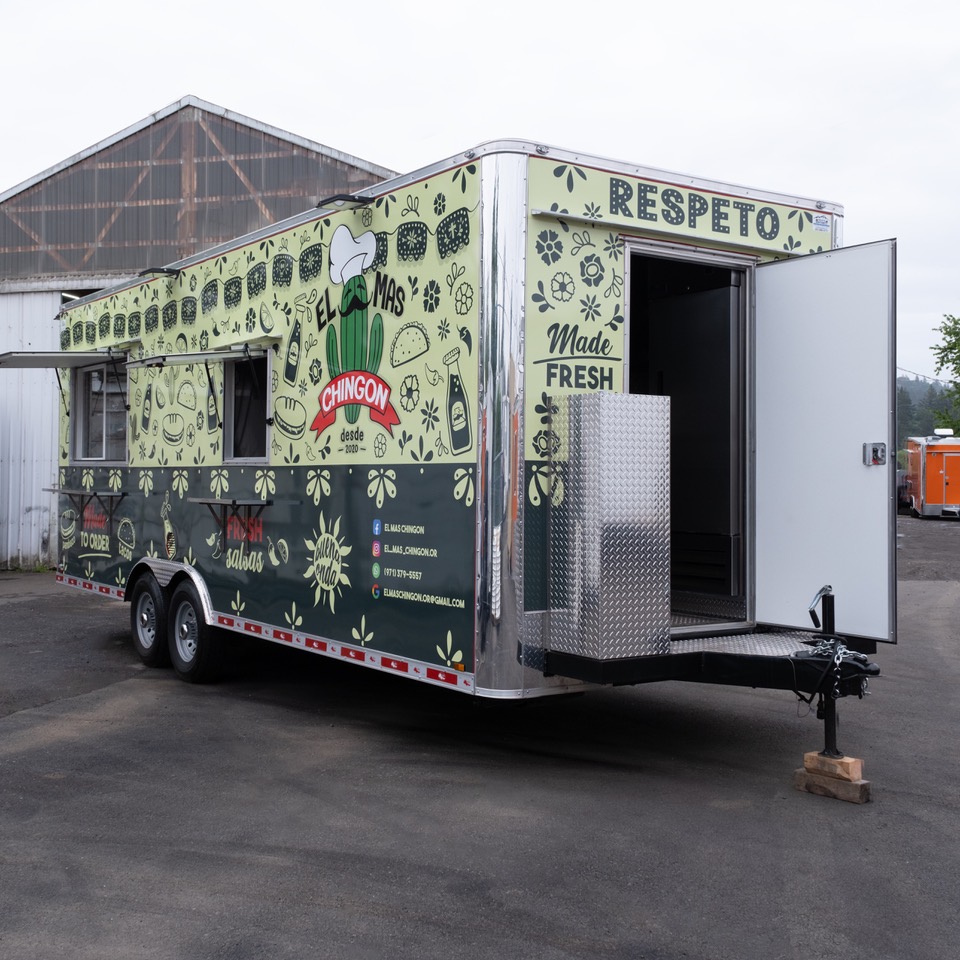
Starting a food truck business in Oahu Hawaii opens up special avenues and challenges, making essential the marriage between planning and local market knowledge. While the booming mobile food scene across all Hawaiian Islands indeed throws open so many opportunities for entrepreneurs, cracking the meaning of regulations on the island, customer demand, and logistical workings is a prerequisite to becoming successful. Real strategies of success like those of PNW Food Trailers can be adopted by aspiring food truck business in Oahu, Hawaii while mastering the art of island entrepreneurship and manufacturing a viable food truck to serve local folks and tourists alike.
Understanding Oahu’s Food Truck Market Landscape
Current Market Dynamics
Over the last ten years, the food truck industry in Oahu has experienced tremendous growth-viz., increase in tourist influx, changes in dining choices by the locals, and the island itself turning out to be a hub for the fusion of culinary arts. Hundreds of mobile food trucks are operating under this market scenario-whether it is the plate lunch van or the gourmet fusion concept.
Target Customer Demographics
Local Residents:
– On-the-go workers seeking inexpensive and quick lunchtime bites
– Families requiring casual dining and having fun
– Beach lovers who continuously require portable meals
– Late-night foodies who frequent various entertainment venues
Tourist Market:
– Visitors interested in trying and tasting real Hawaiian cuisine
– Beach tourists searching for easy-to-eat food options
– Hotel guests willing to try something apart from resort restaurants
– Adventure tourists looking for a solid portable meal
Competitive Advantages
Being an island, it offers a unique leverage and is endowed with natural barriers to entry. Successful food trucks make clever use of Hawaii’s year-round outdoor dining weather, tourist flow patterns, and local food culture preferences.
Legal Requirements and Licensing in Hawaii
Essential Permits and Licenses:
- Hawaii State Tax License (GET – General Excise Tax)
- City and County of Honolulu Business License
- Mobile Food Vendor Permit
- Food Handler’s Safety Training certificates for all staff
- Fire Department inspection and permit
- Health Department food establishment permit
Zoning and Location Restrictions
Permitted Operating Areas:
- Designated food truck zones in commercial districts
- Private property with landowner permission
- Special event venues with temporary permits
- Beach parks with appropriate permits (limited availability)
Restricted Locations:
- Residential neighborhoods without proper zoning
- Areas within specified distances of brick-and-mortar restaurants
- Public beaches without specific permits
- Private property without written permission
Insurance Requirements
Comprehensive insurance coverage protects your investment and meets legal requirements:
- General liability insurance (minimum $1 million coverage)
- Commercial auto insurance for the food truck vehicle
- Workers’ compensation if employing staff
- Property insurance for equipment and inventory
Equipment and Setup Considerations
Island-Specific Equipment Needs
Hawaii’s tropical climate and island logistics create unique equipment considerations for food truck businesses in Oahu, Hawaii.
Climate Adaptations:
- Enhanced ventilation systems for humid conditions
- Corrosion-resistant materials for salt air exposure
- Reliable refrigeration systems for tropical temperatures
- Generator backup systems for power reliability
Space Optimization:
- Compact, multi-function cooking equipment
- Efficient storage solutions for limited space
- Streamlined menu preparation areas
- Customer service windows positioned for trade wind comfort
Supply Chain Logistics
Local Sourcing Opportunities:
- Fresh seafood from local fishing operations
- Tropical fruits from island farms
- Locally grown vegetables and herbs
- Specialty Hawaiian ingredients like poi and haupia
Mainland Supply Considerations:
- Shipping costs for specialized equipment and ingredients
- Extended delivery times are affecting inventory planning
- Bulk purchasing strategies to minimize freight costs
- Relationships with mainland suppliers familiar with Hawaii shipping
Menu Development and Local Preferences
Understanding Island Tastes
Successful food trucks adapt their offerings to local preferences while maintaining their unique identity.
Popular Local Flavors:
- Plate lunch combinations with rice and macaroni salad
- Poke bowls with fresh, locally-caught fish
- Malasadas and other Portuguese-Hawaiian desserts
- Fusion cuisines blending Asian, Pacific, and American influences
- Shave ice variations with tropical syrups
Dietary Considerations:
- Health-conscious options for fitness-minded locals
- Vegetarian and vegan choices reflecting island lifestyle
- Gluten-free alternatives for health-conscious customers
- Portion sizes appropriate for active, outdoor lifestyles
Pricing Strategies
Cost Structure Analysis:
- Higher ingredient costs due to island logistics
- Premium pricing tolerance among tourists
- Competitive pricing expectations from local customers
- Value perception based on portion sizes and quality
Recommended Pricing Approaches:
- Competitive analysis of similar food trucks and restaurants
- Cost-plus pricing ensuring adequate profit margins
- Value menu options for price-sensitive local customers
- Premium offerings for tourists seeking unique experiences
Marketing and Customer Acquisition
Digital Marketing Strategies
Social Media Presence:
- Instagram showcasing food photography and location updates
- Facebook for community engagement and event announcements
- TikTok for behind-the-scenes content and viral food trends
- Google My Business optimization for local search visibility
Location-Based Marketing:
- Real-time location updates on social platforms
- Partnerships with local event organizers
- Collaboration with hotels and tourist activity companies
- Cross-promotion with other local food trucks
Building Local Community Connections
Community Engagement:
- Participation in local festivals and community events
- Sponsorship of youth sports teams or local charities
- Partnerships with local businesses for lunch catering
- Regular presence at popular local gathering spots
Customer Loyalty Programs:
- Punch cards for repeat local customers
- Social media check-in rewards
- Referral incentives for new customer acquisition
- Seasonal promotions tied to local events
Operational Best Practices
Daily Operations Management
Prep and Planning:
- Early morning preparation routines
- Inventory management for perishable items
- Staff scheduling and training protocols
- Equipment maintenance and cleaning schedules
Location Strategy:
- Rotation between high-traffic areas
- Timing optimization for different customer segments
- Weather contingency planning
- Parking and setup logistics
Financial Management
Revenue Optimization:
- Peak hour identification and staffing
- Menu item profitability analysis
- Seasonal adjustment strategies
- Multiple revenue stream development
Cost Control:
- Ingredient waste minimization
- Fuel efficiency optimization
- Equipment maintenance cost management
- Labor cost optimization through efficient operations
Lessons from Mainland Success Stories
Adaptation Strategies
PNW Food Trailers and other successful mainland operations provide valuable insights for food truck business in Oahu Hawaii entrepreneurs.
Scalable Systems:
- Standardized operating procedures
- Staff training programs
- Quality control measures
- Customer service protocols
Growth Strategies:
- Catering service development
- Multiple location operations
- Franchise or licensing opportunities
- Brick-and-mortar expansion planning
Technology Integration
Point-of-Sale Systems:
- Mobile payment processing
- Inventory tracking capabilities
- Customer data collection
- Sales analytics and reporting
Operational Efficiency:
- GPS tracking for optimal route planning
- Social media scheduling tools
- Online ordering platforms
- Delivery service integration
Financial Planning and Investment Requirements
Startup Costs Breakdown
Initial Investment Categories:
- Food truck purchase or lease: $50,000-$150,000
- Equipment and kitchen setup: $30,000-$80,000
- Permits and licensing: $5,000-$15,000
- Initial inventory and supplies: $5,000-$10,000
- Marketing and branding: $3,000-$8,000
- Working capital reserve: $15,000-$30,000
Revenue Projections
Performance Benchmarks:
- Average daily sales: $800-$2,500
- Peak season multipliers: 1.5-2.0x base sales
- Customer transaction averages: $12-$25
- Monthly gross revenue: $20,000-$60,000
Break-Even Analysis
Most successful food trucks in Oahu Hawaii ventures achieve profitability within 12-18 months, depending on initial investment levels, location strategies, and operational efficiency.
Seasonal Considerations and Tourism Patterns
Peak Season Optimization
High Tourism Periods:
- Winter months (December-March) with mainland visitors
- Spring break season (March-April)
- Summer vacation period (June-August)
- Holiday seasons with increased local celebrations
Operational Adjustments:
- Extended operating hours during peak seasons
- Tourist-focused menu additions
- Strategic positioning near popular attractions
- Seasonal staffing increases
Low Season Strategies
Local Market Focus:
- Catering services for local businesses
- Regular presence at residential area events
- Comfort food options for local preferences
- Cost management during slower periods
Because of needing to mesh mainland best practices with island-specific know-how and adjustments, starting a food truck business in Oahu Hawaii is quite an endeavor. Entrepreneurs have to do much preparation and training themselves; the environment here is characterized by a myriad of permit requirements and local customer followings, so some degree of flexibility is also warranted.
Ideally, it should be a mix of highly detail-oriented planning, tying into the community, and excellent operations. Drawing on examples of PNW Food Trailers while adapting to the local places, new food truck owners can succeed in creating rewarding businesses for both Hawaii residents and the millions of tourists that discover the islands’ amazing mobile dining scene annually.
Get PNW Food Trailers By Your Side for Success in Hawaii
With decades of mobile food truck industry experience, PNW Food Trailers assists entrepreneurs in successfully launching food truck businesses all over Hawaii through association. We provide a full consulting service that includes everything from business planning, choosing equipment, permits-related logistics to training for the operational side of things-tailored especially for the island-way of life. The process starts at conceptualisation and ends with supporting the client in the grand opening.