Lanzar un negocio de comida móvil es una aventura emocionante, pero el éxito comienza mucho antes del día de apertura. Trabajar con los constructores de tráileres de comida personalizados garantiza que tu inversión cumpla con los códigos sanitarios, respalde la eficiencia operativa y se alinee con tus objetivos comerciales a largo plazo. Ya sea que planees un tráiler de café, una cocina BBQ, un concepto de tacos o una cocina gourmet móvil, comprender el proceso paso a paso te ayudará a avanzar con claridad y confianza.
De la Idea a la Realidad: Construyendo un Tráiler de Comida Personalizado Paso a Paso
Esta guía completa te llevará por cada etapa del diseño y construcción de una cocina móvil personalizada, desde el concepto inicial hasta la entrega final, para que sepas exactamente qué esperar.
Paso 1: Define tu Concepto y Menú
Antes de contactar a fabricantes profesionales de tráileres, define claramente tu concepto gastronómico. Tu menú determinará prácticamente todas las decisiones de diseño, incluyendo el equipo, los requisitos eléctricos, la ventilación, la plomería y el almacenamiento.
Pregúntate:
• ¿Qué equipo de cocina necesitaré?
• ¿Cuánto espacio de refrigeración se requiere?
• ¿Cuántos empleados trabajarán dentro del tráiler?
• ¿Operaré durante todo el año o solo por temporadas?
Por ejemplo, un tráiler de café requiere máquinas de espresso, sistemas de filtración de agua y refrigeración, mientras que un concepto de frituras exige campanas de ventilación de alta capacidad y sistemas de supresión de incendios. Cuanto más detallado sea tu plan de negocios, más fácil será para los constructores de tráileres de comida personalizados diseñar una distribución que maximice la productividad y la seguridad.
Si no estás seguro de cómo convertir tu idea en un diseño funcional, programa una consulta desde el inicio. Los constructores expertos pueden ayudarte a perfeccionar tu visión antes de comenzar la fabricación.
Paso 2: Elige el Tamaño y la Estructura Correctos
Seleccionar el tamaño adecuado es fundamental. Si es demasiado pequeño, tu equipo trabajará incómodo. Si es demasiado grande, podrías gastar de más en espacio y servicios innecesarios.
Las longitudes más comunes van de 12 a 24 pies. El tamaño ideal dependerá de:
• Espacio requerido por los equipos
• Flujo de trabajo del personal
• Necesidades de almacenamiento
• Regulaciones locales de estacionamiento
Los fabricantes confiables de cocinas móviles evalúan tus necesidades operativas antes de recomendar dimensiones específicas. También consideran aspectos estructurales como pisos reforzados, aislamiento, resistencia a la intemperie y capacidad de los ejes, especialmente para negocios que operan en regiones como el Pacífico Noroeste.
Trabajar con equipos experimentados como PNW Food Trailers garantiza una construcción duradera y adaptada a las condiciones locales.
Paso 3: Planificación del Diseño y Distribución de la Cocina
Un diseño bien planificado aumenta la eficiencia, acelera el servicio y mejora la seguridad de los empleados. Profesionales los constructores de tráileres de comida personalizados utilizan las mejores prácticas de la industria para crear flujos de trabajo inteligentes.
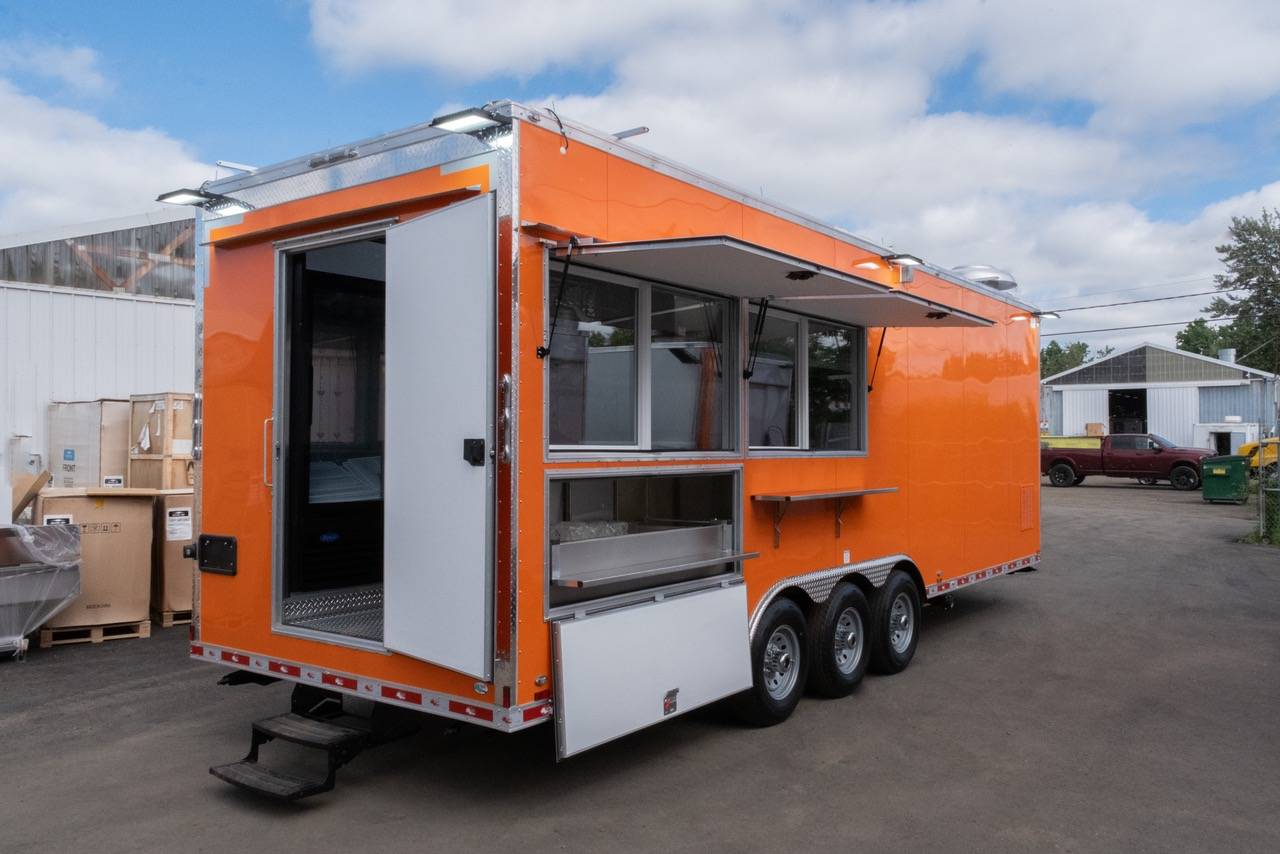
Las áreas principales suelen incluir:
• Línea de cocción y preparación caliente
• Área de preparación
• Refrigeración y almacenamiento seco
• Estación de lavado
• Ventana de servicio
Tu fabricante garantizará el cumplimiento de las normativas estatales y locales de salud, incluyendo fregaderos requeridos, estaciones de lavado de manos y estándares de saneamiento.
En esta etapa también se diseñan e integran los cálculos de carga eléctrica, las líneas de propano, los tanques de agua y los sistemas de aguas residuales. Una planificación adecuada ayuda a evitar modificaciones costosas más adelante durante el proceso de construcción.
Si estás listo para convertir tu concepto en un plano funcional, solicita una consulta de diseño y explora propuestas de distribución antes de que comience la fabricación.
Paso 4: Selección e Instalación de Equipos
Elegir equipos comerciales de calidad es uno de los pasos más importantes. Los electrodomésticos adecuados mejoran la eficiencia y reducen los costos de mantenimiento a largo plazo.
Los equipos suelen incluir:
• Estufas y parrillas comerciales
• Freidoras
• Refrigeradores y congeladores
• Mesas de preparación
• Campanas de ventilación
• Sistemas de supresión de incendios
• Generadores o conexiones eléctricas externas
Los fabricantes experimentados garantizan que cada equipo encaje correctamente en el diseño y cumpla con las normativas de seguridad. Los sistemas de plomería, gas y electricidad son instalados por profesionales capacitados para asegurar confiabilidad y rendimiento.
Antes de finalizar la compra de equipos, considera la eficiencia energética, la durabilidad y la facilidad de mantenimiento.
Paso 5: Cumplimiento Normativo e Inspecciones
El cumplimiento de las regulaciones sanitarias es obligatorio. Las autoridades locales exigen estrictos estándares de seguridad alimentaria, plomería, ventilación y protección contra incendios.
Profesionales los constructores de tráileres de comida personalizados se mantienen actualizados sobre los códigos vigentes y construyen unidades listas para aprobar inspecciones.
• Equipos certificados por NSF
• Configuración adecuada de fregaderos
• Paredes y pisos aptos para uso alimentario
• Iluminación y ventilación adecuadas
• Sistemas de seguridad contra incendios
Los fabricantes con experiencia simplifican el proceso de inspección al diseñar con el cumplimiento normativo en mente desde el primer día, ahorrando tiempo, dinero y estrés.
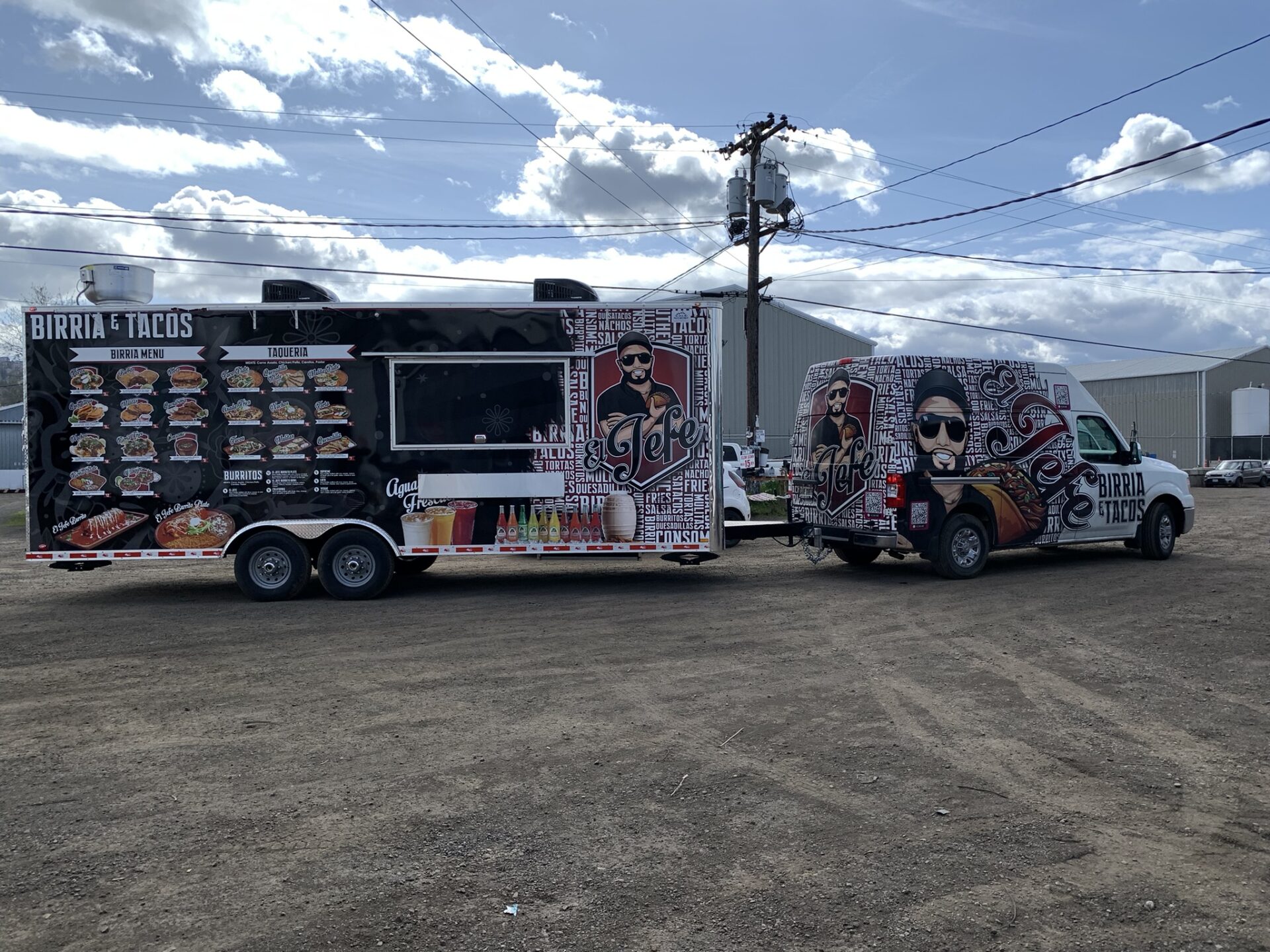
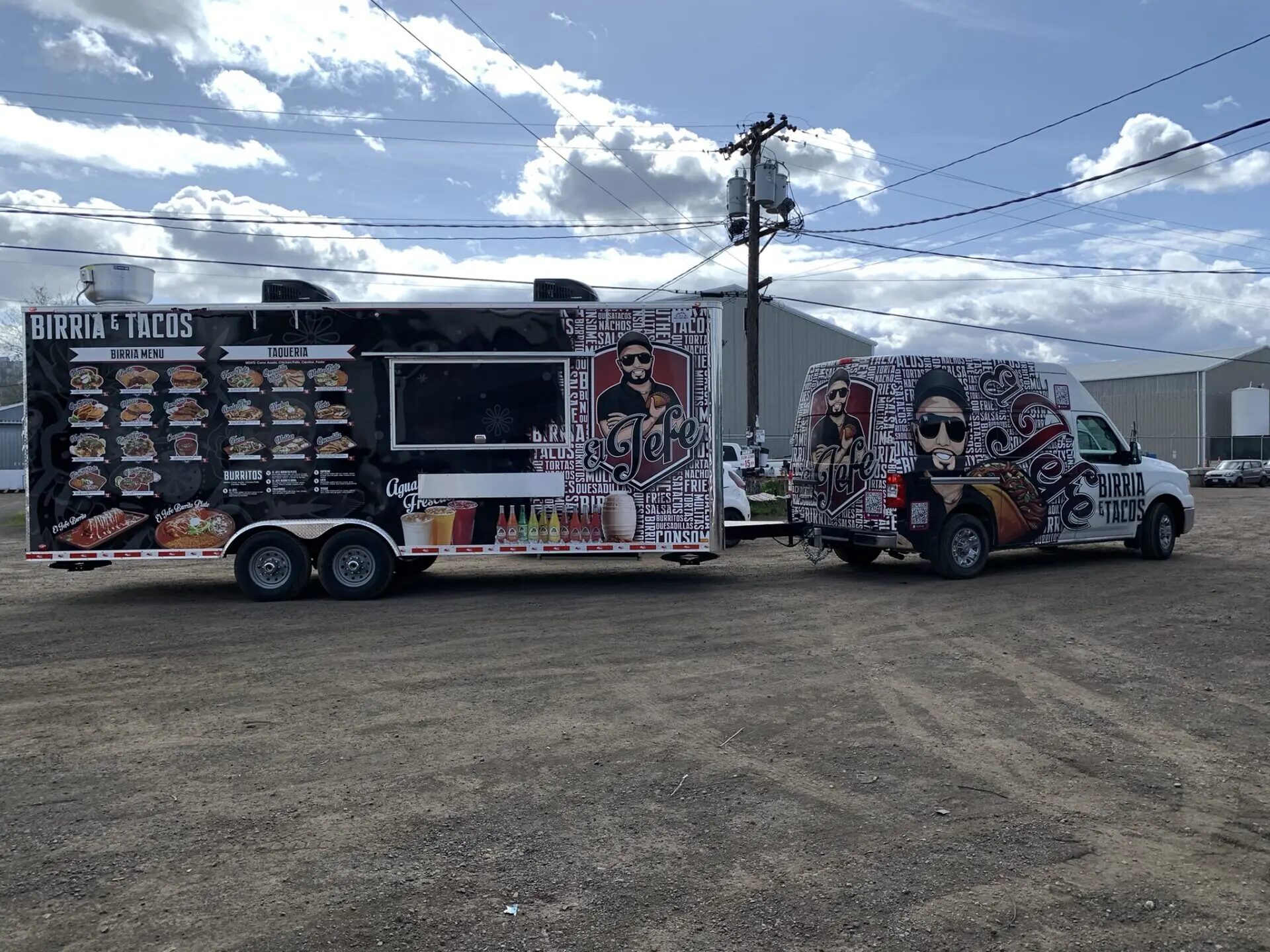
Paso 6: Branding Exterior y Acabados Finales
El exterior de tu tráiler es tu escaparate. Una imagen atractiva aumenta la visibilidad y atrae clientes.
Considera:
• Vinilos personalizados
• Esquemas de colores llamativos
• Menús visibles
• Iluminación LED
• Diseño de la ventana de servicio
En mercados competitivos, la apariencia visual es clave. Muchos emprendedores trabajan con fabricantes que integran la identidad de marca dentro del proceso de fabricación.
Si deseas destacar en eventos, cervecerías o ubicaciones callejeras, planifica la personalización exterior desde las primeras etapas.
Paso 7: Entrega, Revisión Final y Lanzamiento
Una vez finalizada la fabricación, el constructor realizará una inspección completa para verificar que todo funcione correctamente. Se prueban los sistemas, se calibran los equipos y se verifican los elementos de seguridad.
Antes de abrir al público:
• Confirma la aprobación de las inspecciones
• Obtén todos los permisos y licencias necesarios
• Prueba los equipos en condiciones reales de operación
• Capacita a tu personal en el uso correcto de los equipos
Con la preparación adecuada y el apoyo de constructores los constructores de tráileres de comida personalizados, estarás listo para atender a tus clientes con confianza desde el primer día.
Si estás listo para comenzar tu proyecto, contacta hoy mismo a un fabricante de confianza para consultar tiempos de producción y disponibilidad.
Por Qué la Experiencia es Fundamental en la Construcción de Tráileres de Comida Personalizados
Construir una cocina móvil es muy diferente a convertir un tráiler utilitario básico. Se requiere conocimiento especializado en fabricación, seguridad alimentaria e integración precisa de sistemas.
Los fabricantes establecidos aportan:
• Experiencia en ingeniería
• Conocimiento de normativas y cumplimiento
• Soldadura y fabricación de alta calidad
• Relaciones sólidas con proveedores
• Garantías respaldadas por mano de obra profesional
Elegir al socio adecuado protege tu inversión y garantiza un rendimiento confiable a largo plazo.
¡Solicita una Cotización Personalizada Hoy!
Constructores de tráileres de comida personalizados cerca de Los Ángeles, California
Muchos emprendedores del sur de California buscan fabricantes regionales. Aunque existen varias opciones en el estado, muchos propietarios amplían su búsqueda hacia constructores confiables como PNW Food Trailers por su calidad de fabricación y cumplimiento normativo.
Constructores de tráileres de comida personalizados en California
Los fabricantes de California se especializan en cumplir con los códigos sanitarios estatales, sistemas energéticamente eficientes y diseños compactos para entornos urbanos y eventos.
Constructores de tráileres de comida personalizados cerca de mí
Buscar fabricantes locales puede reducir costos de transporte y facilitar inspecciones. Sin embargo, empresas establecidas como PNW Food Trailers también atienden clientes en múltiples estados mediante opciones de entrega eficientes.
Constructores de tráileres de comida personalizados en Texas
Los fabricantes de Texas suelen diseñar tráileres más grandes para conceptos BBQ y operaciones de alto volumen, incorporando sistemas robustos de ventilación y ahumadores.
Constructores de tráileres de comida personalizados en Estados Unidos
En todo el país, los fabricantes profesionales se enfocan en el cumplimiento normativo, materiales duraderos y diseños personalizados adaptados a conceptos gastronómicos específicos y diferentes climas regionales.
Tráileres de comida personalizados en California
Los tráileres construidos en California destacan por su eficiencia de espacio, equipos de bajo consumo energético y cumplimiento con estrictas regulaciones sanitarias.
Tráileres de comida personalizados en venta
Comprar un tráiler ya construido puede ahorrar tiempo, pero una unidad personalizada ofrece control total sobre la distribución, el equipamiento y la identidad de marca.
Fabricantes de Food Trucks en Estados Unidos
Los fabricantes de cocinas móviles construyen tanto camiones como tráileres. Los tráileres suelen ofrecer costos iniciales más bajos, mantenimiento más sencillo y opciones de remolque más flexibles para nuevos emprendedores.
Obtén tu Cotización Personalizada Hoy
Inicia tu Proyecto de Tráiler de Comida Personalizado con Confianza
Construir un negocio exitoso de comida móvil comienza con una base sólida. Desde la planificación del concepto y el diseño de la distribución hasta la fabricación y la inspección final, trabajar con constructores expertos de los constructores de tráileres de comida personalizados garantiza que tu unidad funcione eficientemente y cumpla con todas las regulaciones aplicables.
En PNW Food Trailers, nos especializamos en diseñar y fabricar tráileres de comida totalmente personalizados, construidos para ofrecer durabilidad, cumplimiento normativo y rendimiento a largo plazo. Nuestro equipo experimentado te acompaña en cada etapa del proceso, ayudándote a convertir tu visión culinaria en una cocina móvil completamente funcional.